Welcome to the intersection of religion, gender, economics, and war – all centered on a suitcase.
During World War I, U.S. Catholics launched an unprecedented initiative to supply portable Mass kits, including an altar stone, crucifix, chalice, and paten, to Catholic military chaplains serving in Europe. Led by the newly formed National Catholic War Council, American Catholics combined patriotic sentiment with religious devotion to send physical items across the Atlantic in a unique, faith-based material war effort. This endeavor proved massively successful and influenced the material culture of all US military chaplains.


This project analyzes the role of portable objects in Catholic devotion during the World Wars, emphasizing the overlap between faith, warfare, and material culture. In particular, it investigates how the collective endeavor to supply portable Mass kits to chaplains abroad impacted home-front Catholicism, military practices, and concepts of devotional objects.
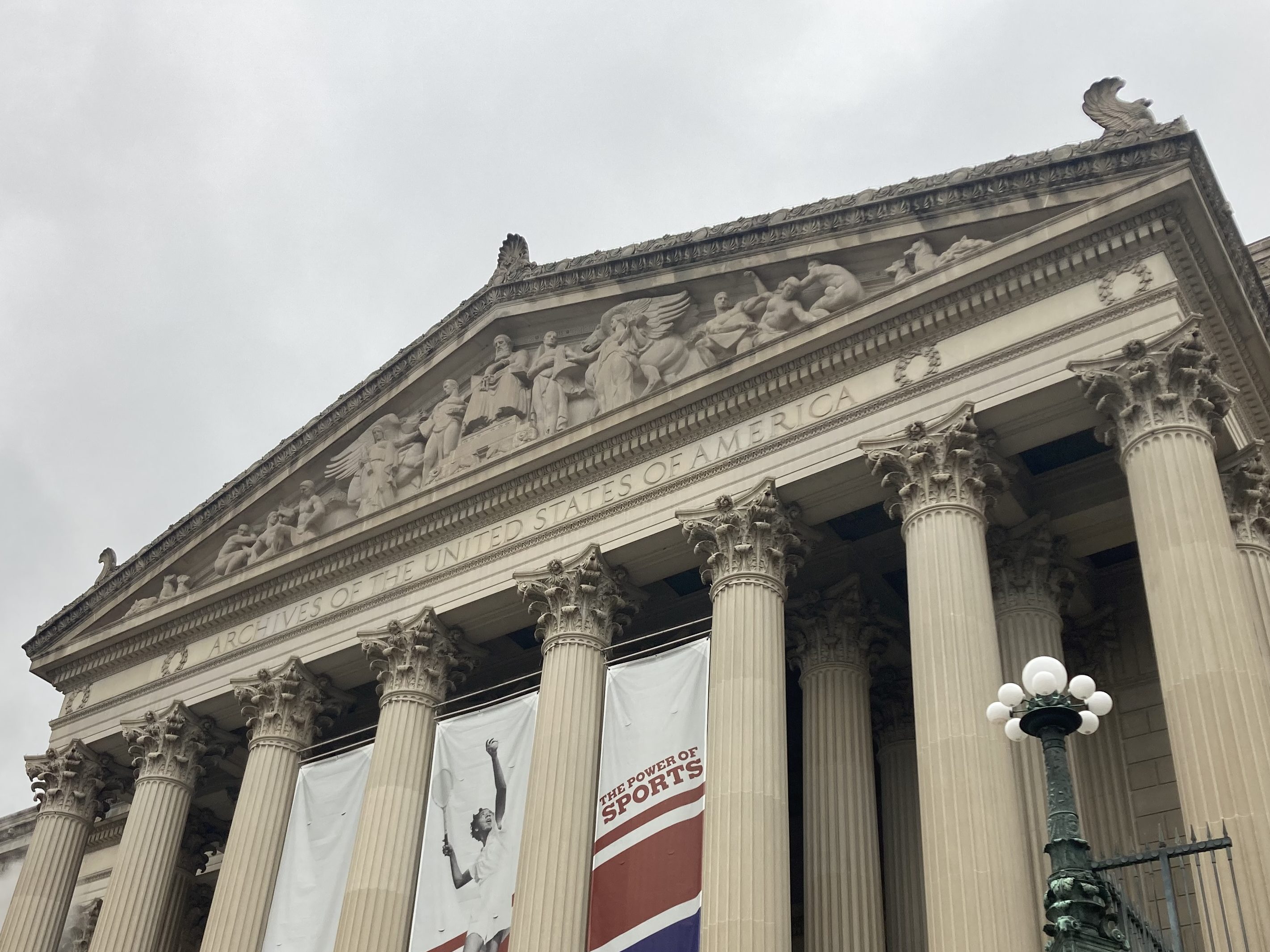
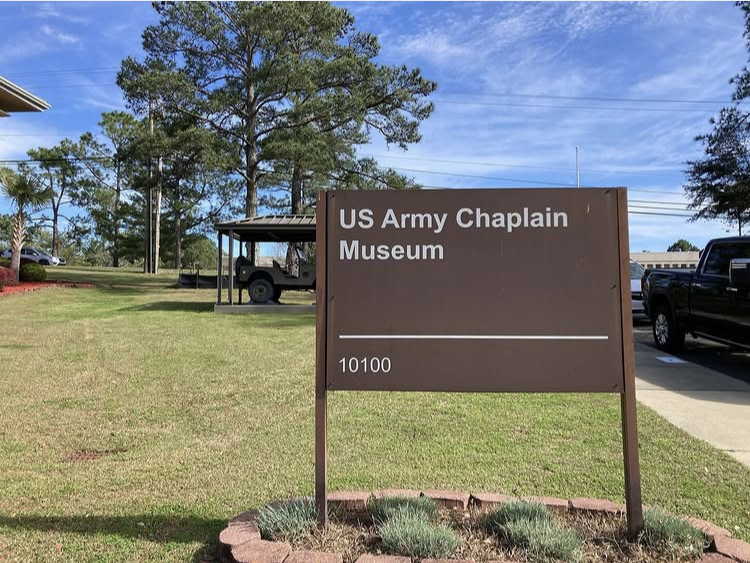
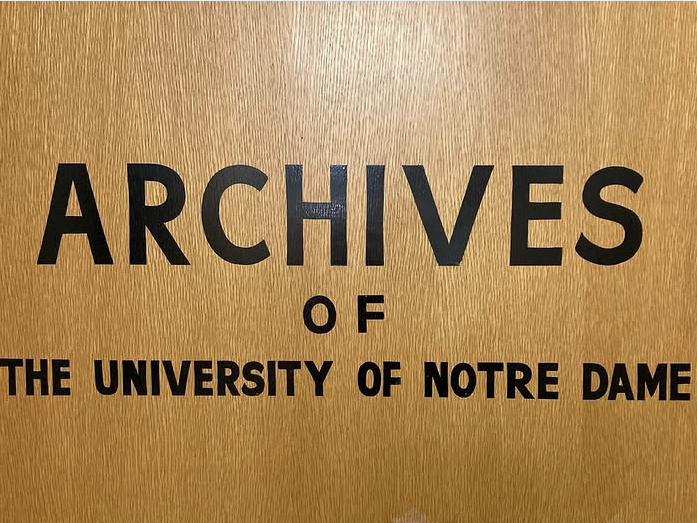
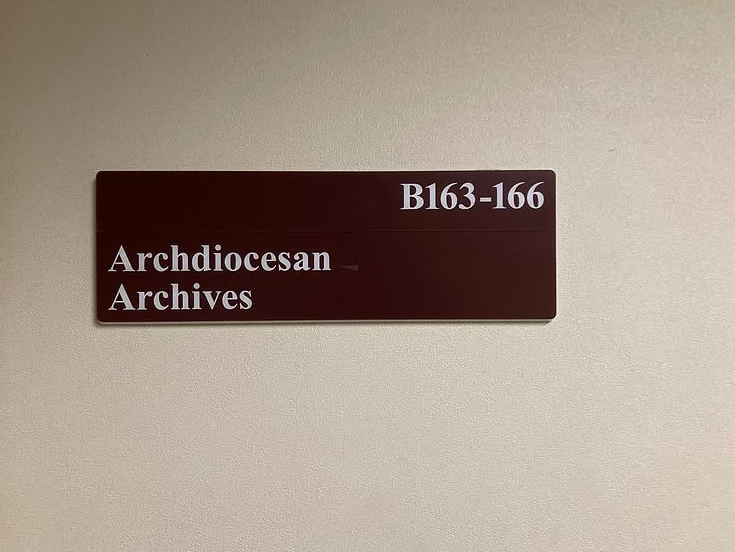
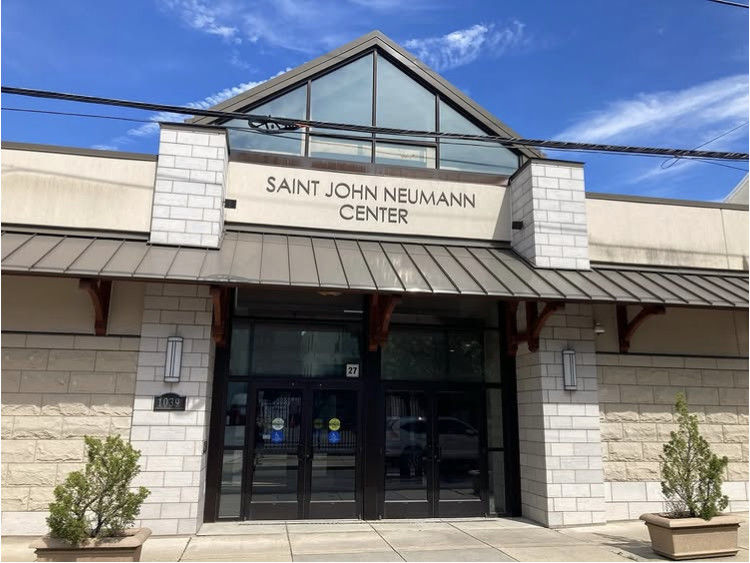
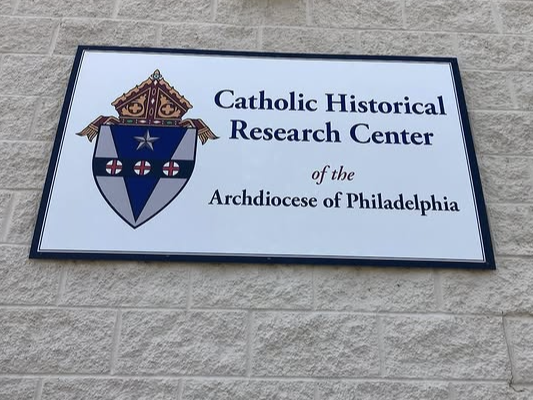
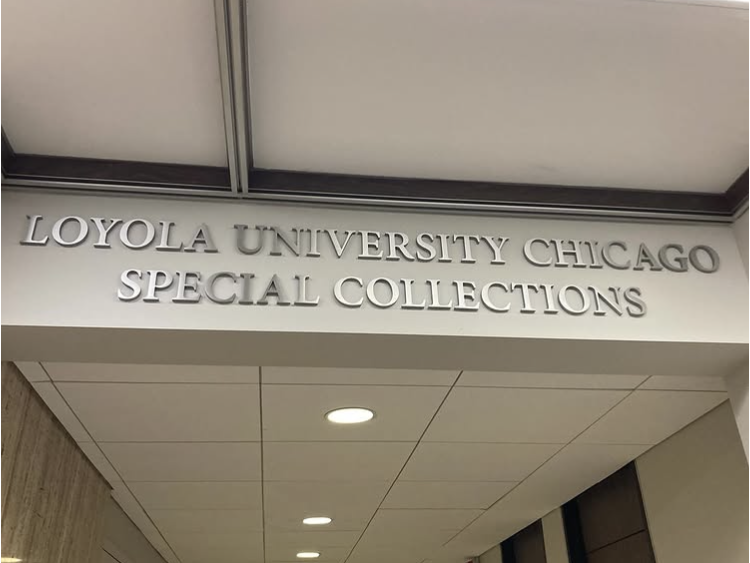
Four years, twenty archives.
This research has been generously funded by the Trinity University Humanities Collective, the Mellon Initiative, the Trinity University Department of History, the Cushwa Center for the Study of American Catholicism, and the American Academy of Religion.


 Sarah C. Luginbill